
The Global Affairs Magazine has introduced Women in Media Empowerment Initiative (WIMEI) with the aim of empowering female media practitioners to rise into leadership.
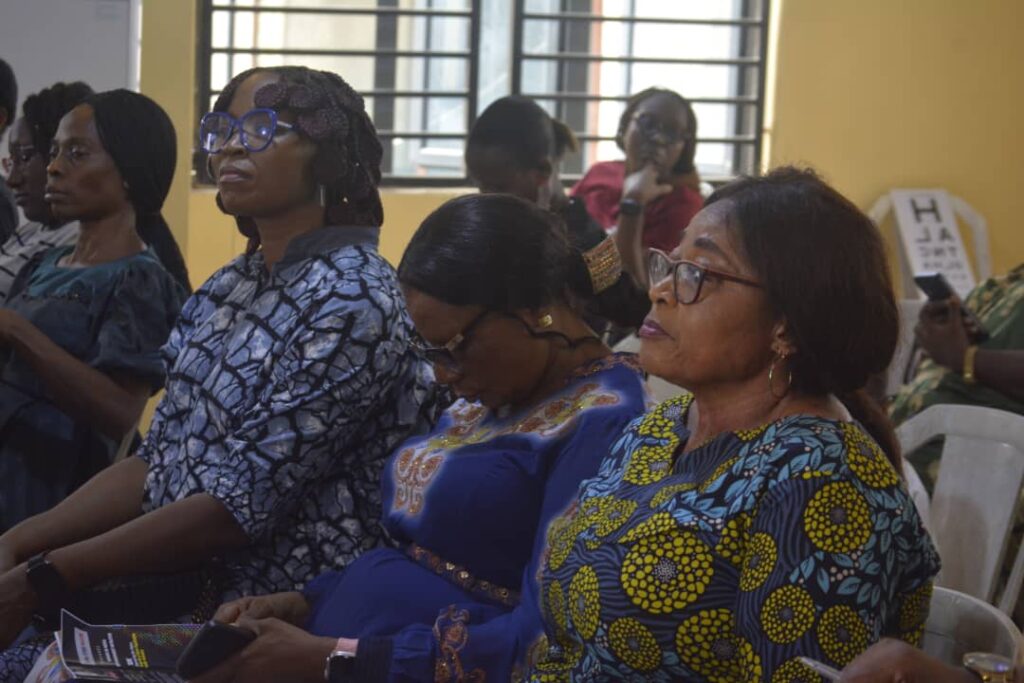
The event held on December 12 at the Nigeria Union of Journalists (NUJ) Secretariat, bringing together female media professionals for a day of capacity building, dialogue, and health support.
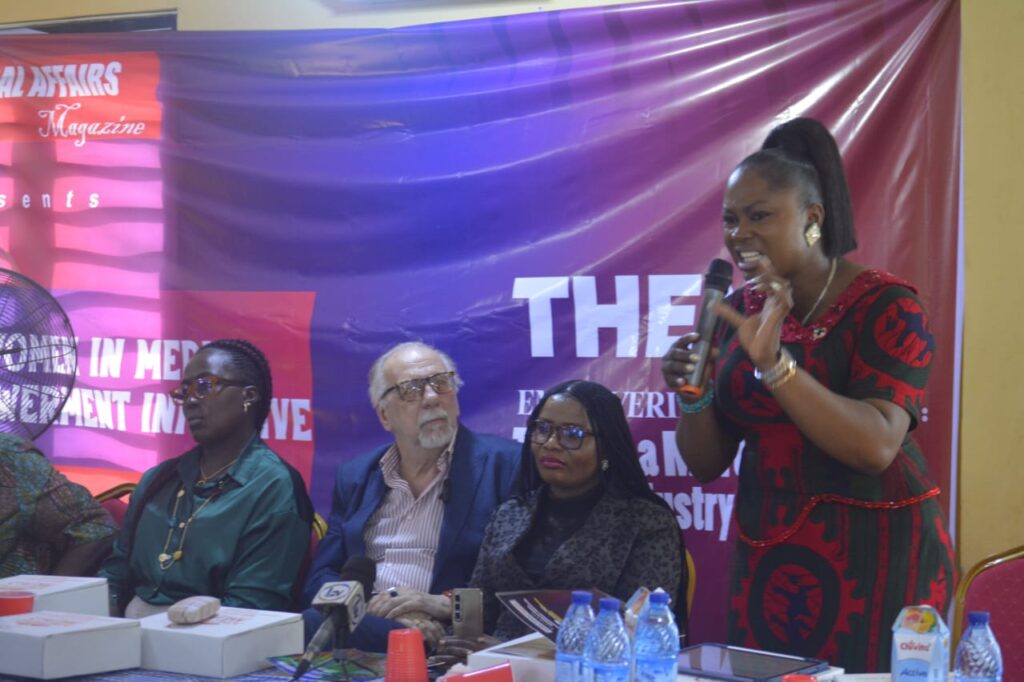
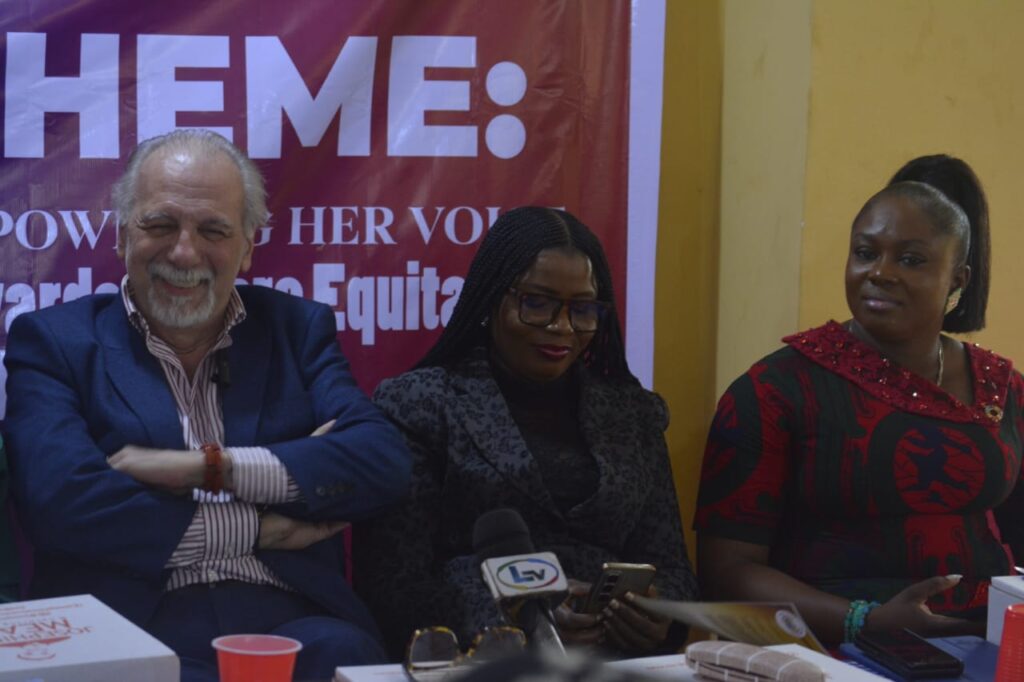
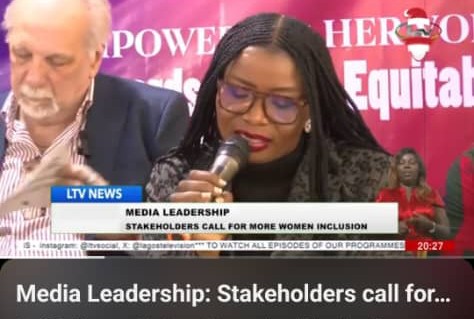
According to the convener, Regina Robinson, the event Themed; “Empowering Her Voice: Towards a More Equitable Media Industry”, was convened with a singular purpose: to strengthen the place of women in the media, to amplify her voice, and to open the doors of leadership that have remained closed for far too long.
Robinson emphasized the need to empower women in media financially.
“As we address leadership gaps and structural barriers, we must also recognize one of the most critical elements of empowerment: Financial support for women in media.
“Talent and ambition alone are not enough. Without access to financial resources, many women are unable to pursue advanced training, invest in innovation, or sustain the independent projects that could propel them into leadership roles.”
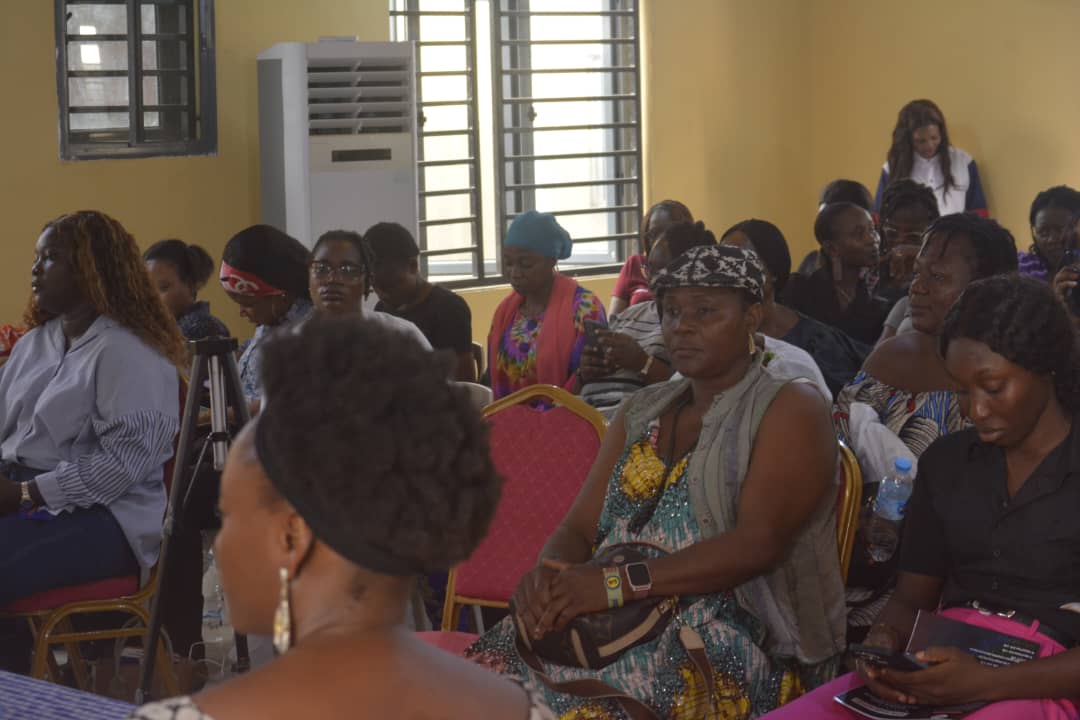
The event featured a panel session moderated by the Chairperson of Nigeria Association of Women Journalists NAWOJ, Lagos State Chapter, Mrs. Jumoke Johnson, the session focused on the challenges and opportunities facing women in the media industry, with discussions centered on leadership, career growth, and gender equity in journalism. Panelists shared personal experiences and practical strategies for overcoming barriers in the profession, while participants actively engaged in interactive discussions.
Adding global perspectives to the programme, an international speaker, Capt. Dr. Giorgio Enrico Del Celo sharye insights on best practices in media development, women’s representation, and the importance of cross-border collaboration.
Also speaking at the event was a Sustainability Advocate and Climate Communicator Dr. Ebaide Omiunu who spoke extensively on Reimagining the Climate Narrative: How Women in Media Can Influence Africa’s Sustainable Transition.
“It is an honour to be here with brilliant women who shape conversations, influence perception, and hold the pen that writes public consciousness.
“Women in media are uniquely positioned to bring depth, empathy, and lived experience into the climate conversation.
“Your voice is influence,your platform is power,your storytelling is climate action.
“Shape Public Behaviour Through Everyday Media. You don’t just inform—you influence culture.
“A sustainable Africa needs a media that doesn’t just report—but compels action.”
Speaking on practical Strategies for Women in Media, she suggested actionable ways to lead the narrative shift: by creating human-interest stories around climate innovators.
According to her, the women in media are not just media professionals, they are narrative shapers, culture builders, and agenda setters.
“The climate transition will not succeed if the story is not told in a way that: inspires change, mobilize communities, influences policies, and empower the most vulnerable.
Women in media can make this transition inclusive, African, and transformational. Dr. Ebaide said.
Their contributions highlighted the need for stronger networks and inclusive policies to support women in media across different regions.
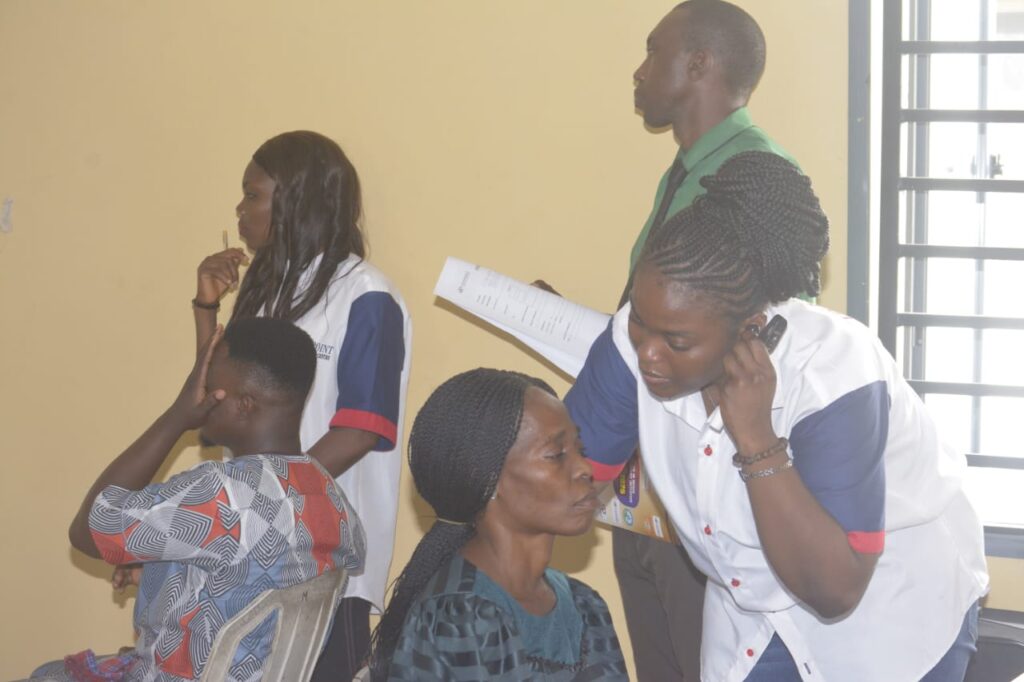
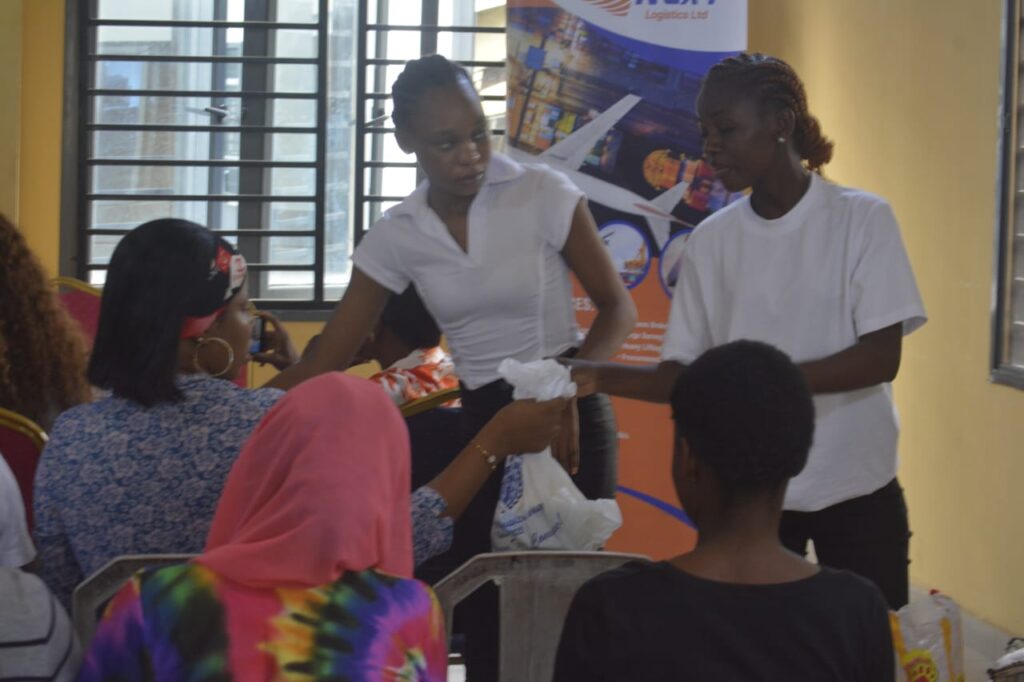
A key highlight of the initiative was a free medical outreach for participants. Female journalists in attendance benefited from free eye screening services, received free reading glasses, and were given free antimalarial drugs. The health support was aimed at promoting the wellbeing of women in the media, recognizing the demanding nature of the profession.
Participants expressed appreciation to the organizers for combining professional empowerment with health interventions, describing the initiative as impactful and timely. Many noted that the eye screening and provision of reading glasses addressed common occupational health challenges associated with media work.
Organizers of the Women in Media empowerment initiative reaffirmed their commitment to advancing the professional and personal well-being of female journalists, pledging to sustain the programme and expand its scope in future editions.